Introduction
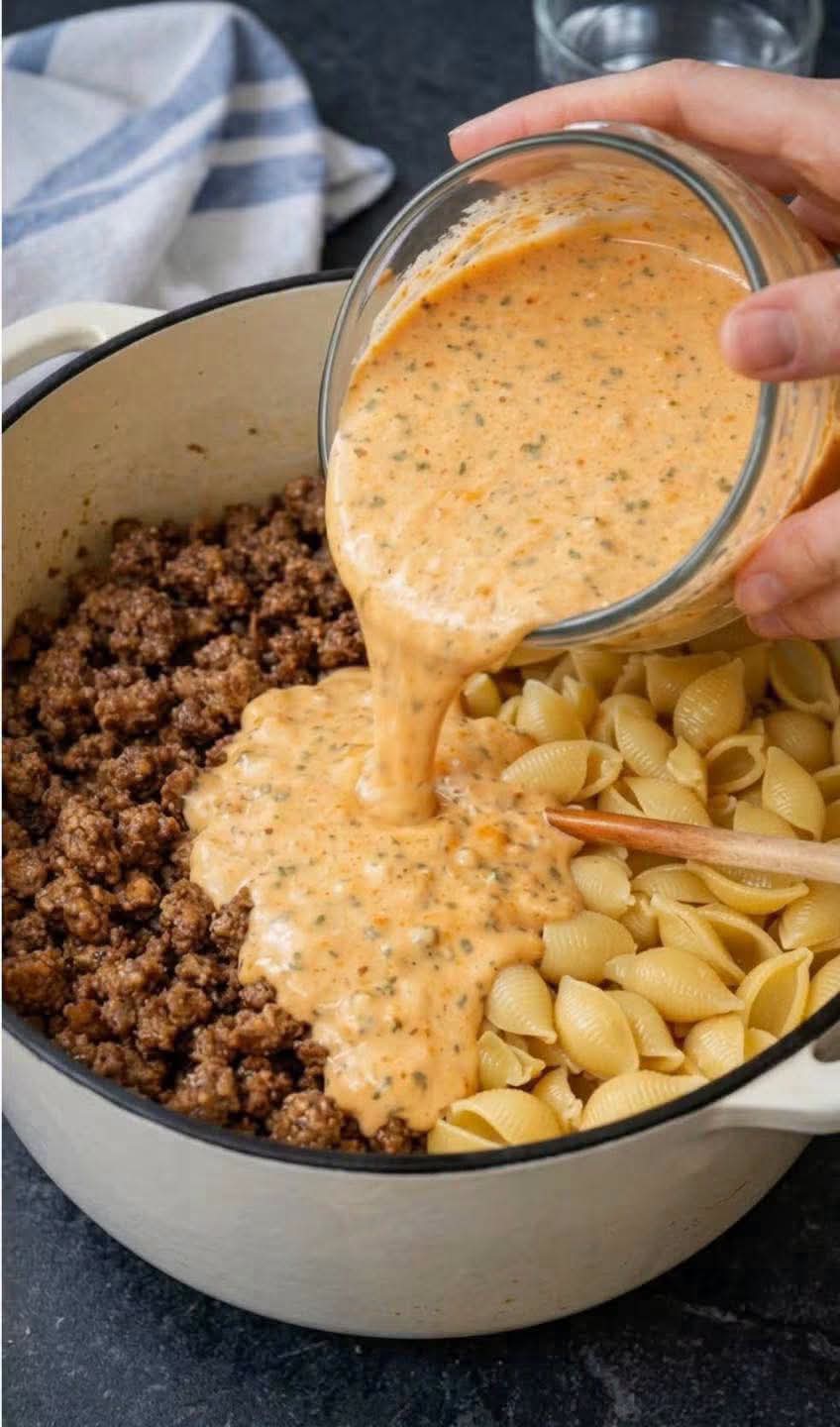
Creamy Paprika Steak Shells is a satisfying pasta dinner made with tender seared steak, shell-shaped pasta, garlic, Parmesan, and a rich smoky cream sauce.
Smoked paprika gives the beef a warm color and deep savory flavor, while the pasta shells capture the sauce inside their curved centers. Freshly grated Parmesan thickens the sauce and gives every serving a smooth, restaurant-style finish.
This steak pasta recipe takes approximately 30 minutes to prepare, making it suitable for busy weeknights, family dinners, or casual entertaining.
Most of the meal is prepared in one skillet after cooking the pasta, which keeps kitchen cleanup manageable. Serve it with a fresh salad, roasted vegetables, or garlic bread for a complete dinner.
Recipe Overview
Recipe detail Information
Preparation time 10 minutes
Cooking time 20 minutes
Total time Approximately 30 minutes
Servings 6
Cooking method Stovetop
Difficulty Easy
Cuisine American-inspired
Course Main dish
Best served Immediately
Main flavors Creamy, smoky, savory, and cheesy
Why You’ll Love This Recipe
Creamy Paprika Steak Shells combines steak and pasta in one hearty meal, making it filling enough for a complete family dinner.
The steak cooks quickly because it is cut into bite-sized pieces. A brief, hot sear creates browned edges without requiring a lengthy cooking process.
Shell pasta is particularly effective in this recipe because its shape captures the creamy paprika sauce.
The sauce uses everyday ingredients, including heavy cream, beef broth, garlic, smoked paprika, and Parmesan cheese.
Cooking the sauce in the same skillet used for the steak incorporates the flavorful browned pieces remaining on the bottom of the pan.
The recipe is flexible enough to accommodate different steak cuts, pasta shapes, or lighter dairy options.
Ingredients
Pasta and Steak
Ingredient Quantity Preparation
Medium shell pasta 12 ounces Cooked until al dente
Sirloin or ribeye steak 1 pound Cut into bite-sized pieces
Salt To taste For pasta water and steak
Ground black pepper To taste For seasoning the steak
Smoked paprika 1½ teaspoons Distributed over the steak
Cream Sauce
Ingredient Quantity Preparation
Olive oil 1 tablespoon For searing
Unsalted butter 1 tablespoon For the sauce
Garlic 3 cloves Finely minced
Heavy cream 1 cup Allow to lose its refrigerator chill
Beef broth ½ cup Preferably low-sodium
Parmesan cheese ½ cup Freshly grated
Optional Garnish
Ingredient Quantity
Fresh parsley 2 tablespoons, chopped
Additional Parmesan As desired
Crushed red pepper A small pinch
Parsley, extra Parmesan, and red pepper are optional. They are not required to produce the creamy pasta shown in the image.
Step-by-Step Instructions
Step 1: Prepare the Pasta Water
Bring a large pot of water to a rolling boil.
Salt the water generously, then add the shell pasta.
Cook according to the package directions until the shells are al dente, meaning tender but still slightly firm in the center.
Step 2: Reserve Pasta Water
Before draining, reserve approximately ½ cup of the pasta cooking water.
Drain the shells but do not rinse them. Rinsing removes the surface starch that helps the cream sauce cling to the pasta.
Set the drained shells aside.
Step 3: Prepare the Steak
While the pasta cooks, pat the steak dry with paper towels.
Cut it into similar bite-sized pieces so everything cooks evenly.
Season with salt, black pepper, and smoked paprika. Toss until the seasoning coats all sides.
Step 4: Heat the Skillet
Place a large skillet or Dutch oven over medium-high heat.
Add the olive oil and allow it to become hot and shimmering before adding the steak.
A properly heated pan helps create a browned exterior instead of steaming the beef.
Step 5: Sear the Steak
Arrange the steak pieces in a single layer, leaving some space between them.
Cook in batches if the skillet is not large enough. Crowding the pan releases too much moisture and prevents browning.
Sear for approximately 2–3 minutes per side, depending on the size of the pieces and your preferred doneness.
For medium-rare beef, aim for 130–135°F (54–57°C) after resting. For medium, cook to approximately 140–145°F (60–63°C).
Transfer the steak to a clean plate and let it rest while preparing the sauce.
Step 6: Cook the Garlic
Reduce the heat to medium and add the butter to the same skillet.
Once the butter melts, add the minced garlic.
Cook for approximately 30–60 seconds, stirring continuously, until fragrant. Do not allow the garlic to become dark brown because it can develop a bitter flavor.
Step 7: Deglaze the Skillet
Pour in the beef broth.
Use a wooden spoon to scrape the browned pieces from the bottom of the skillet. These caramelized bits add significant flavor to the finished sauce.
Step 8: Add the Cream
Pour in the heavy cream and stir until it is fully combined with the broth.
Bring the mixture to a gentle simmer and cook for 3–4 minutes, stirring occasionally, until it begins to thicken.
Do not allow the cream to boil rapidly.
Step 9: Add the Parmesan
Reduce the heat to low.
Add the freshly grated Parmesan a small amount at a time, stirring after every addition.
Continue stirring until the cheese has melted and the sauce is smooth.
Step 10: Combine Everything
Add the cooked pasta shells and rested steak to the skillet, including any juices collected on the plate.
Gently toss until the steak and pasta are evenly coated.
If the sauce is too thick, add reserved pasta water one tablespoon at a time. If it is too thin, let it simmer gently for another minute.
Step 11: Finish and Serve
Remove the skillet from the heat.
Taste and adjust the salt, black pepper, or smoked paprika if necessary.
Garnish with parsley and additional Parmesan, then serve immediately.
Best Tips
Pat the steak completely dry before seasoning it. Surface moisture prevents the meat from forming a well-browned crust.
Cut the steak into equal-sized pieces so they cook at approximately the same rate.
Avoid overcrowding the skillet. Cooking in two batches is better than steaming the entire pound of steak in a crowded pan.
Remove the steak before preparing the sauce. Leaving it in the skillet throughout the process can make it tough and overcooked.
Grate Parmesan from a block. Packaged shredded cheese often contains anti-caking ingredients that can produce a grainy sauce.
Keep the heat low when adding Parmesan. Excessive heat may cause the cheese and cream to separate.
Save some pasta water. Its starch helps loosen the sauce while maintaining its creamy consistency.
Best Ingredient Options
Best Steak
Sirloin offers a good balance of tenderness, beef flavor, and price, making it an excellent option for an affordable weeknight dinner.
Ribeye has more marbling and creates an especially rich result.
New York strip may also be used. Trim away large pieces of exterior fat before cutting it into bite-sized portions.
Flank steak works when sliced thinly against the grain, although it can become chewy if overcooked.
Best Pasta
Medium shells are the preferred pasta because they collect sauce inside their centers.
Penne, rigatoni, rotini, or bow-tie pasta may be substituted.
Choose a pasta shape with ridges or openings that can hold a substantial cream sauce.
Best Paprika
Smoked paprika gives this recipe its characteristic smoky flavor.
Sweet paprika creates a milder version with less smokiness.
Hot paprika may be used if you prefer a spicy pasta sauce, but begin with a smaller quantity.
Best Parmesan
Fresh Parmigiano-Reggiano provides the strongest flavor and smoothest melting texture.
Domestic Parmesan also works if it is freshly grated and does not contain large amounts of anti-caking powder.
Recipe Variations
For a mushroom variation, sauté eight ounces of sliced mushrooms after removing the steak. Cook until browned, then continue with the garlic and sauce.
For a lighter version, replace the heavy cream with half-and-half. The finished sauce will be thinner, so allow it to simmer a little longer.
For spicy steak pasta, add crushed red pepper or cayenne with the smoked paprika.
For a vegetable-rich dinner, fold in steamed broccoli, spinach, peas, or roasted bell peppers before serving.
For chicken paprika shells, replace the steak with bite-sized boneless chicken. Cook the chicken to an internal temperature of 165°F (74°C).
For a meatless version, use mushrooms instead of steak and replace the beef broth with vegetable broth.
What to Serve With Creamy Paprika Steak Shells
A green salad with vinaigrette provides acidity and freshness that balance the heavy cream sauce.
Roasted broccoli, asparagus, Brussels sprouts, or green beans add color and vegetables to the meal.
Garlic bread, breadsticks, or a crusty baguette can be used to collect the remaining Parmesan sauce.
Serve smaller pasta portions with a tomato and cucumber salad for a lighter dinner.
For casual entertaining, pair the pasta with roasted vegetables and a simple dessert.
Make-Ahead Instructions
Cut and season the steak up to one day in advance. Store it in an airtight container in the refrigerator.
The Parmesan can also be grated ahead and refrigerated separately.
You may cook the pasta several hours in advance, but toss it with a small amount of olive oil to reduce sticking.
For the best texture, prepare the cream sauce immediately before serving. Cream sauces naturally thicken as they cool and may separate if repeatedly reheated.
Storage
Allow leftovers to cool slightly before transferring them to an airtight container.
Refrigerate within two hours of cooking.
Store the pasta for up to three days.
Keep the container tightly closed to prevent the pasta from drying out and absorbing refrigerator odors.
Reheating
The stovetop is the best reheating method for this cream-based pasta.
Place the desired portion in a skillet over low heat and add a small splash of milk, cream, broth, or water.
Stir gently until the sauce loosens and the pasta is hot.
Individual servings may be microwaved at 50% power in 30-second intervals. Stir and add a splash of liquid between intervals if necessary.
Reheat leftovers until they reach 165°F (74°C).
Avoid high heat because it can make the steak tough and cause the cream sauce to separate.
Freezing
Freezing is not recommended.
Heavy cream and Parmesan sauces can separate and become grainy after thawing.
Cooked pasta also absorbs liquid during storage and may become excessively soft.
If freezing is necessary, expect some change in texture. Thaw overnight in the refrigerator and reheat slowly with fresh cream or milk.
Common Mistakes to Avoid
Adding wet steak to the skillet prevents effective browning.
Crowding the pan causes the beef to steam instead of sear.
Cooking the steak throughout the entire sauce-making process can make it dry and chewy.
Burning the garlic creates a bitter flavor that will spread through the complete sauce.
Boiling the heavy cream aggressively can cause it to reduce too rapidly or separate.
Adding Parmesan over high heat may produce a greasy or grainy texture.
Using only packaged grated cheese can prevent the sauce from melting smoothly.
Rinsing the pasta removes valuable surface starch and makes the sauce less likely to cling.
Forgetting to reserve pasta water eliminates the easiest method for correcting an overly thick sauce.
Nutrition Estimate
Nutrient Estimated amount per serving
Calories 580 kcal
Protein 34 g
Carbohydrates 51 g
Dietary fiber 3 g
Total fat 27 g
Saturated fat 14 g
Sodium 530 mg
Sugar 3 g
Calcium 210 mg
Nutrition information is an estimate for six servings. Exact values depend on the steak cut, cream, pasta, broth, Parmesan, and portion size.
Frequently Asked Questions
Can I use ground beef instead of steak?
Yes. Brown one pound of ground beef and drain excessive fat before preparing the sauce.
The result will have a different texture but will still work with the paprika cream sauce.
What steak is best for creamy pasta?
Sirloin is the most practical combination of tenderness, flavor, and price.
Ribeye is richer, while New York strip provides a firmer texture.
Why did my steak become tough?
The pieces may have been overcooked or allowed to simmer in the sauce for too long.
Sear them quickly, remove them from the pan, and return them only after the sauce is ready.
Why is my sauce grainy?
The skillet may have been too hot when the Parmesan was added, or the cheese may have contained anti-caking ingredients.
Reduce the heat and use freshly grated Parmesan.
How do I thicken the sauce?
Simmer it gently for another one or two minutes before adding the pasta.
Remember that Parmesan and cooling will naturally make the sauce thicker.
How do I thin the sauce?
Add reserved pasta water, beef broth, milk, or cream one tablespoon at a time.
Can I prepare this without heavy cream?
Half-and-half can be used, but the sauce will be lighter and thinner.
Milk alone is more likely to produce a watery sauce and should be thickened carefully.
Is smoked paprika spicy?
Smoked paprika is usually smoky rather than hot.
Check the label because some brands offer both sweet and hot varieties.
Can I double this recipe?
Yes. Use a large skillet or Dutch oven and sear the steak in several batches.
Avoid crowding the pan even when preparing a larger quantity.
Final Thoughts
Creamy Paprika Steak Shells combines juicy steak bites, sauce-filled pasta shells, garlic, Parmesan, and smoky paprika in one satisfying dinner.
Quickly searing the beef and preparing the cream sauce over gentle heat are the keys to achieving tender steak and a smooth texture.
With approximately 30 minutes of cooking time, this restaurant-style steak pasta is practical enough for weeknights while still being impressive enough for guests.